Most RVs have run on lead-acid batteries for as long as anyone can remember. Lithium has changed that. It gives you more usable power from your RV battery at a fraction of the weight, it lasts years longer, and over its life it costs less.
Our team ran the numbers on every battery package we offer, from the standard Group 27 lead-acid battery to AGMs to lithium iron phosphate. Lithium came out ahead on every measure except the up-front price.
Here are the numbers.
1. Usable Capacity: How Much Power You Really Get
The amp hours on the label aren’t the amp hours you can use.
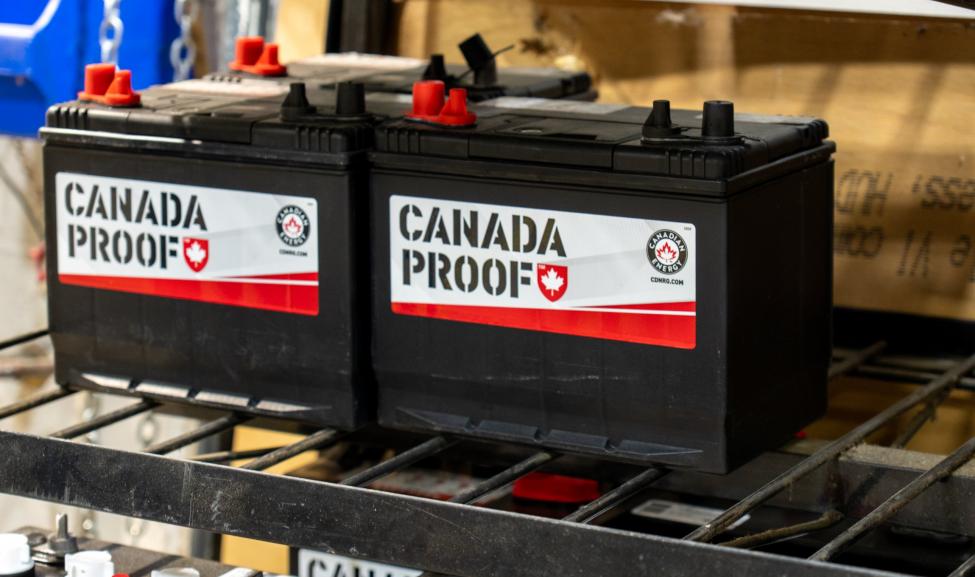
You should only run a lead-acid battery down to about 50% of its rated capacity. Go lower and you can damage the battery, or the components it runs. A lithium battery can be run down to nearly empty without that damage.
Usable capacity of our battery packages:
- Standard 27 Series (12-volt flooded lead-acid): 50 Ah
- The Weekender (2 × 6-volt flooded lead-acid): 116 Ah
- The Long Weekender (2 × 6-volt AGM): 133 Ah
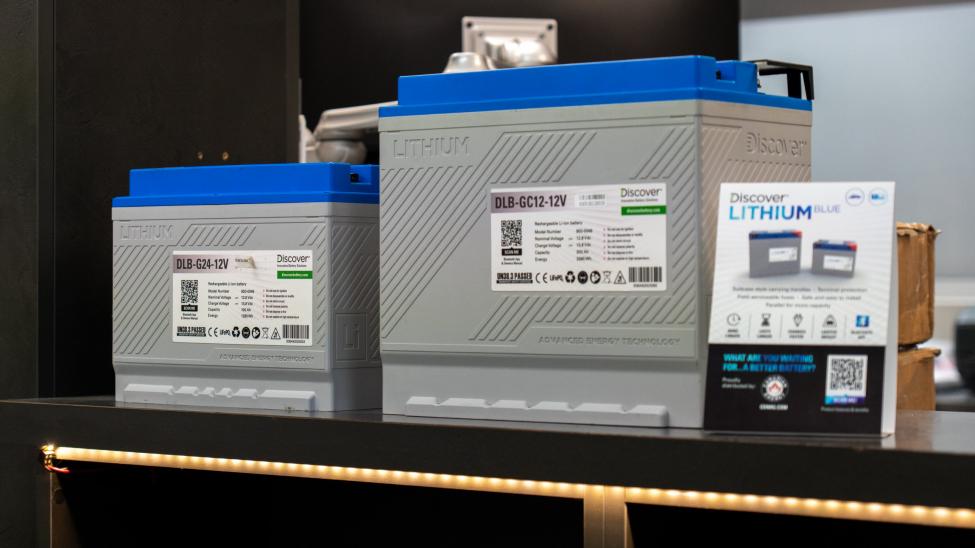
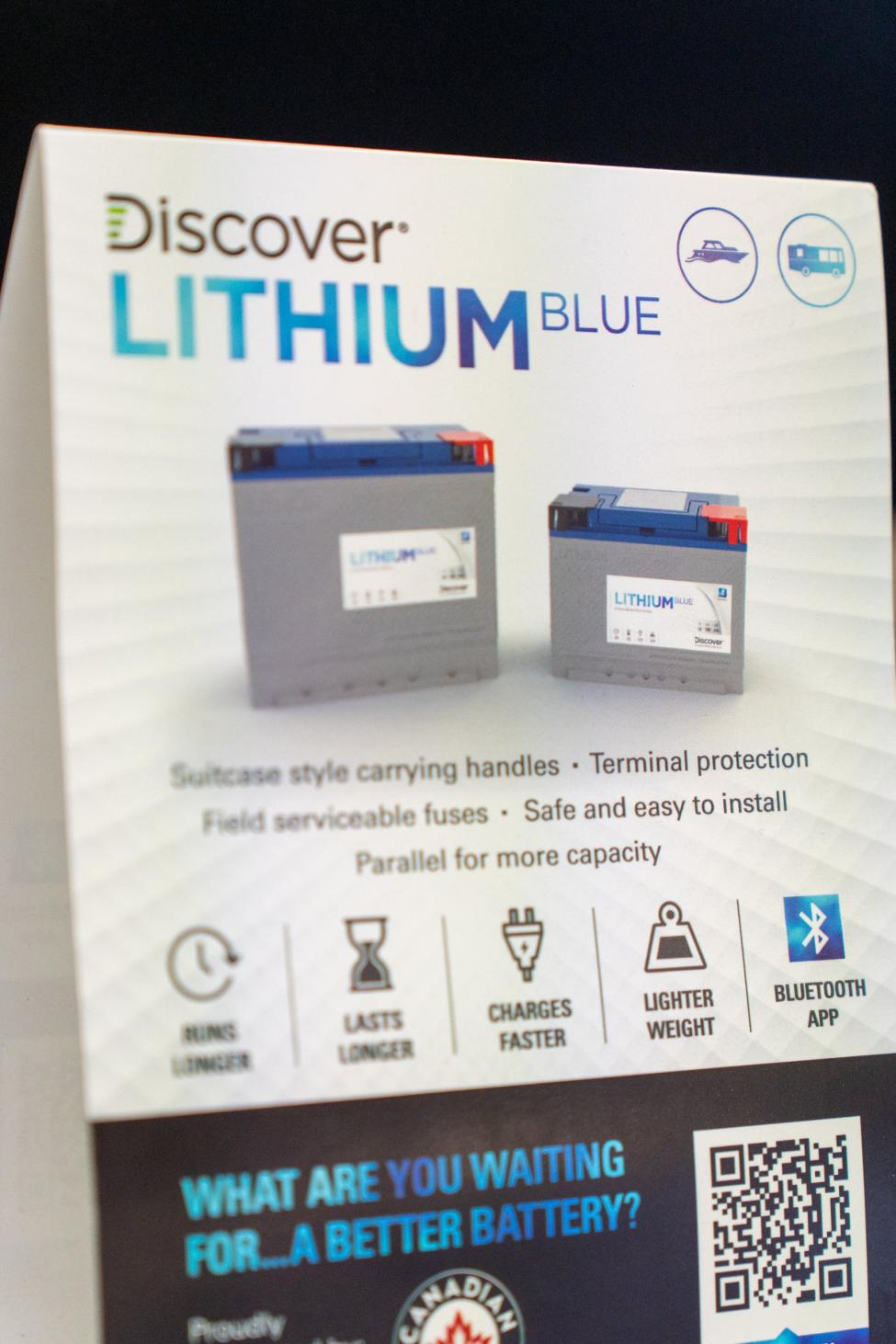
- The Boondocker (1 × 200Ah lithium): 190+ Ah
- Off-The-Grid (1 × 300Ah lithium): 285+ Ah
- Off-The-Grid PLUS (2 × 200Ah lithium, 400Ah total): 380+ Ah
One 200Ah lithium battery gives you more usable power than either two-battery lead-acid package.
2. Lifetime Energy: The Number Most People Miss
Capacity on day one is only part of it. The real value is how much energy a battery delivers before it needs replacing.
This is where the difference is biggest.
Estimated lifetime energy (amp hours delivered):
- Standard 27 Series: 20,000 Ah
- The Weekender: 116,000 Ah
- The Long Weekender: 139,650 Ah
- The Boondocker: 700,000 Ah
- Off-The-Grid: 997,500 Ah
- Off-The-Grid PLUS: 1,400,000 Ah
Our lithium packages deliver 35 to 70 times more energy over their life than the standard battery. That means far fewer replacements.
3. Power Density: More Energy, Less Weight
Weight matters in an RV. Heavy batteries eat into your payload and your fuel economy.
Here’s how many usable amp hours you get for each kilogram of battery.
Power density (Ah per kg):
- Standard 27 Series: 2.1
- The Weekender (flooded lead-acid): 2.8
- The Long Weekender (AGM): 2.4
- The Boondocker (lithium): 9.5
- Off-The-Grid: 8.9
- Off-The-Grid PLUS: 9.5
Lithium gives you over four times the usable power per kilogram. The Boondocker weighs 20 kg, about half of the Weekender’s two 6-volt batteries (41 kg), and still gives you more usable power.
4. Cost Per Lifetime Amp Hour
Lithium costs more up front. Spread that price over every amp hour the battery will deliver, and it comes out cheapest.
Cost per lifetime amp hour:
- Standard 27 Series: $0.0100
- The Weekender: $0.0043
- The Long Weekender: $0.0079
- The Boondocker: $0.0026
- Off-The-Grid: $0.0027
- Off-The-Grid PLUS: $0.0024
Over its life, lithium works out to about a quarter of the standard battery’s cost for the same power.
Our RV Battery Packages at a Glance
Any of these packages can be added and installed when you buy an RV from Voyager RV. Ask your sales rep for current pricing.
| Battery Package | Technology | Usable Ah | Lifetime Ah |
|---|---|---|---|
| The Weekender | Flooded Lead-Acid | 116 | 116,000 |
| The Long Weekender | AGM | 133 | 139,650 |
| The Boondocker | Lithium Iron Phosphate | 190 | 700,000 |
| Off-The-Grid | Lithium Iron Phosphate | 285 | 997,500 |
| Off-The-Grid PLUS | Dual Lithium Bank | 380 | 1,400,000 |
So, Is Lithium Worth It?
Lithium comes out ahead on:
- Usable capacity
- Lifetime energy
- Weight
- Cost over the life of the battery
If you camp off-grid, or plan to, it’s the better choice. If you mostly camp with hookups, a lead-acid package can still do the job for less money up front.
Not sure which package fits how you camp? Ask your sales rep when you buy, or call us toll-free at 1-800-668-1447 and ask for our Parts Store.