RV Lifestyle Guide

Latest Industry News

Your RV Pickup Day at Voyager RV: What to Expect

My RV Pickup Day is coming up (Exciting!) - What should I expect?
Your RV Pickup Day at Voyager RV: What to Expect

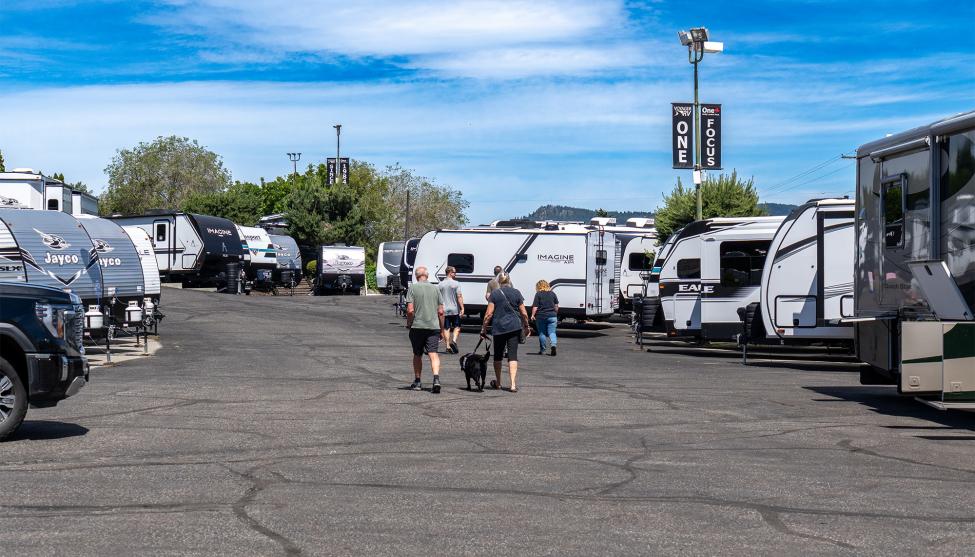
There's nothing quite like the excitement of RV Pickup Day. At Voyager RV, we're just as thrilled as you are, because this day marks the start of unforgettable camping memories ahead. To help you feel fully prepared, here's a friendly breakdown of what your visit will look like.

Plan to be with us for 2-3 hours. This gives our team the time needed to complete paperwork, insurance, tow setup, and, most importantly, your full RV orientation.

If you're bringing a trade-in, your sales rep and manager will begin by checking it in. They'll confirm key component function, overall condition, and complete a moisture meter test of certain wall, roof and floor areas to ensure proper seal maintenance.

If you're not trading anything in, your day typically starts with signing the bill of sale and finalizing any payments - with our Financial Services Team. You'll also get all info on Extended RV Warranty packages that you need - so you can understand the best way to protect your investment and enjoy extra peace of mind.

This is the heart of Pickup Day! Expect at least one full hour with a dedicated team member walking you through your RV's systems, features, and function. Have lots of questions? Perfect, we (...)


Buying an RV in BC for 4-Season Living

Is It Possible? What steps should I take?
Buying an RV in BC for 4-Season Living

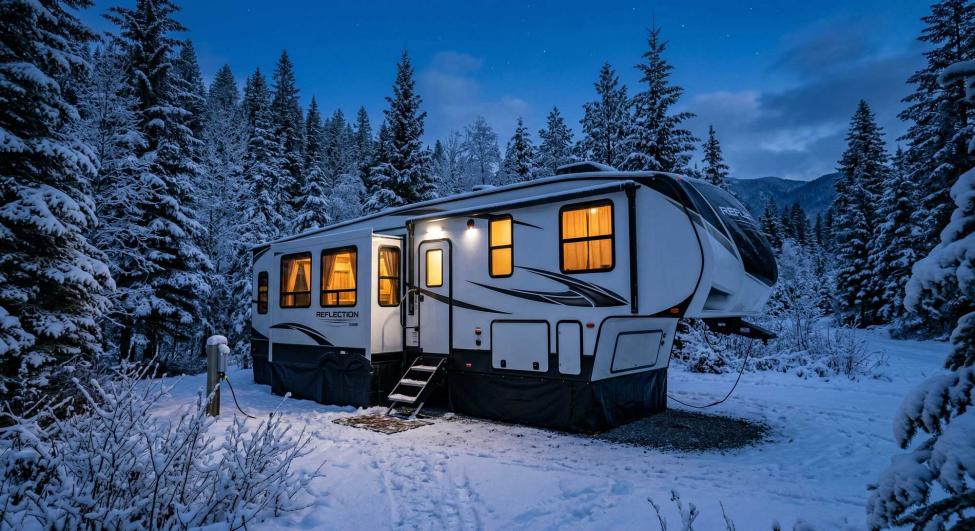
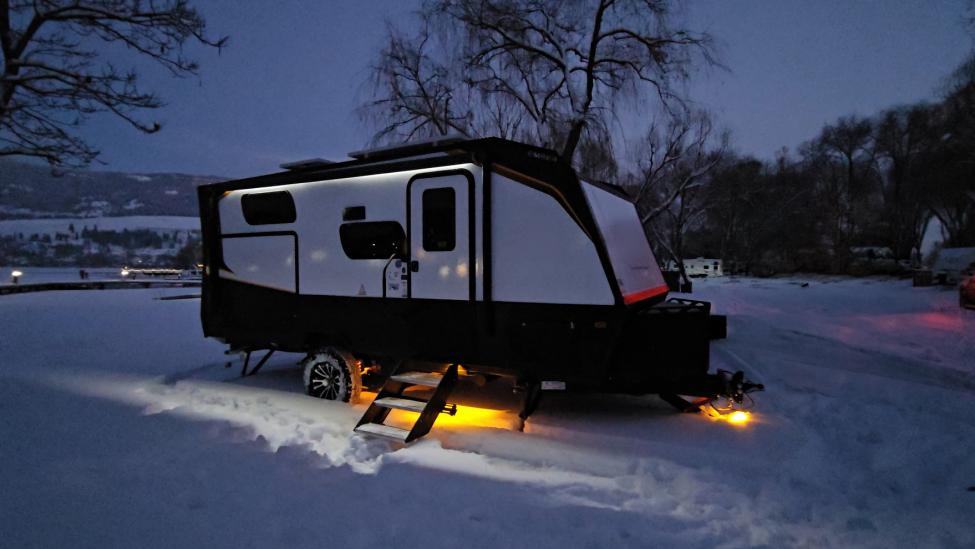
Thinking about living in your RV year-round - even through BC's chilly winters? You're not alone! Many RV owners across BC, Alberta, and beyond successfully live in their RVs through all four seasons.

The short answer: Yes, it's possible!
But... it takes some planning, a few smart upgrades, and regular maintenance to keep you (and your RV) comfortable when the temperature drops.

Here are some essential tips to help you prepare your RV for winter living in BC.

A good-quality custom vinyl skirting is one of the best investments for winter RV life. It helps trap warm air underneath your trailer and keeps cold winds out. Vinyl works great because it's flexible - so when the ground freezes, it won't push up and damage your RV's trim.

Cold air underneath your RV can quickly freeze your tanks and pipes.

Condensation can cause serious water damage - and it's not covered under warranty!  Some customer think their RV is leaking, but that is not the case - it is your windows/walls 'weeping' from condensation issues! To prevent it:

And if you do get condensation build up, make sure to dry it up as soon as you discover it - to prevent absorption into walls/floors/etc.

Propane can struggle to vaporize in (...)


From the Okanagan to the Netherlands

An Intercontinental Quest for the Ultimate Camper
From the Okanagan to the Netherlands

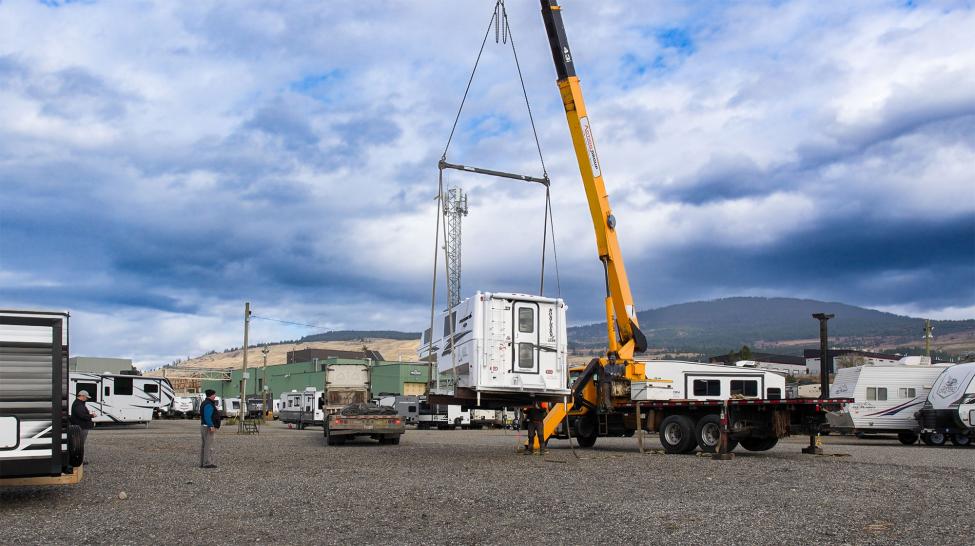
At Voyager RV, we are used to customers driving from all over Western Canada to find their perfect rig. But it isn't every day that we get to be part of an adventure that spans continents, oceans, and international borders. When Giuseppe and his wife Annette traveled all the way from the Netherlands to our lot in Lake Country, we knew this was going to be a delivery for the books.

Their goal? To acquire a legendary Northern Lite 9-6 truck camper.

You might ask: Why travel halfway across the world just to buy an RV?

The answer lies in the unique nature of the North American RV market. Simply put, you cannot get campers-or trucks-this big and this capable in Europe. The European market is full of compact, lightweight leisure vehicles, but they generally lack the sheer size and heavy-duty build quality found in Canadian manufacturing.

Giuseppe had previously explored in a smaller setup (a Northstar Liberty on a short-bed), but he wanted something with true, year-round livability. He knew that if he wanted to camp comfortably in any season, he needed "Canadian DNA." European buyers often prize Canadian campers specifically for our thermal engineering. A Northern Lite isn't just a camper; it's a (...)


Winter RV Storage:

Key Reminders to Help Your RV Hibernate Like a Champ
Winter RV Storage:

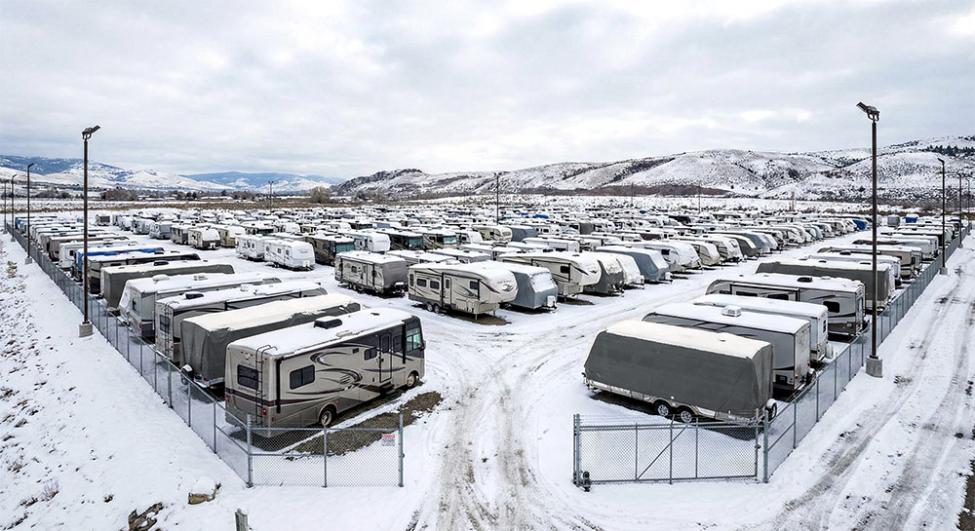
When winter rolls into British Columbia and the campgrounds get a little too frosty for comfort, many RVers decide it's time to let their beloved home-on-wheels curl up for a long seasonal nap. Whether you're storing a 5th wheel, travel trailer, or motorhome, a little prep now means far fewer surprises come spring - because nobody wants to start camping season off on the wrong foot.

From our RV experts here, and hearing from some of our Voyager RV customers - here's how to help your RV best survive winter storage safely until the sunshine returns.

Places around the Okanagan Valley (like Kelowna, Vernon, Kamloops, etc) and surrounding areas offer plenty of secure storage facilities. When choosing one, make sure it checks the boxes:

Your RV may not talk, but trust us - it appreciates the upgrade from "farmer's back corner."

RV batteries are basically the beating heart of your unit, and winter is not their favorite season. Give them a little love - a different approach depending on the type of batteries you have:

Flooded Batteries

AGM Batteries

Lithium Batteries

While your RV is built to withstand the winter weather on it's own... going with a breathable, properly fitted RV cover is a huge benefit for (...)


RV Model Numbers Explained:

How to Decode RV Lengths and Floorplans
RV Model Numbers Explained:

If you've been shopping for a new or used RV, you've probably noticed model names like 2600RB, 250BHW, or 417KB and wondered - what do those numbers and letters actually mean? You're not alone!

Understanding RV model numbers can be confusing because each manufacturer uses them a bit differently. But with a few tips from the professionals at Voyager RV, you can quickly learn how to decode RV model numbers and make smarter buying decisions.

In most towable RVs - such as travel trailers and fifth wheels - the model number's digits usually relate to the length of the RV's main interior living area, also called the - box" of the RV.

For example:

However, not all RV brands play by the same rules. Some - like certain Forest River models - use shorter numbers that can be 7-8 feet less than the trailer's real overall length. This can lead to confusion when comparing RVs, so it's always smart to check the actual hitch-to-bumper measurement.

When shopping for a travel trailer or fifth wheel, make sure your dealer provides the true exterior length (from hitch to bumper).

This measurement matters for:

A reputable RV dealer will always share these specs openly. If they don't - or if they insist the model number (...)


scroll up
TOP